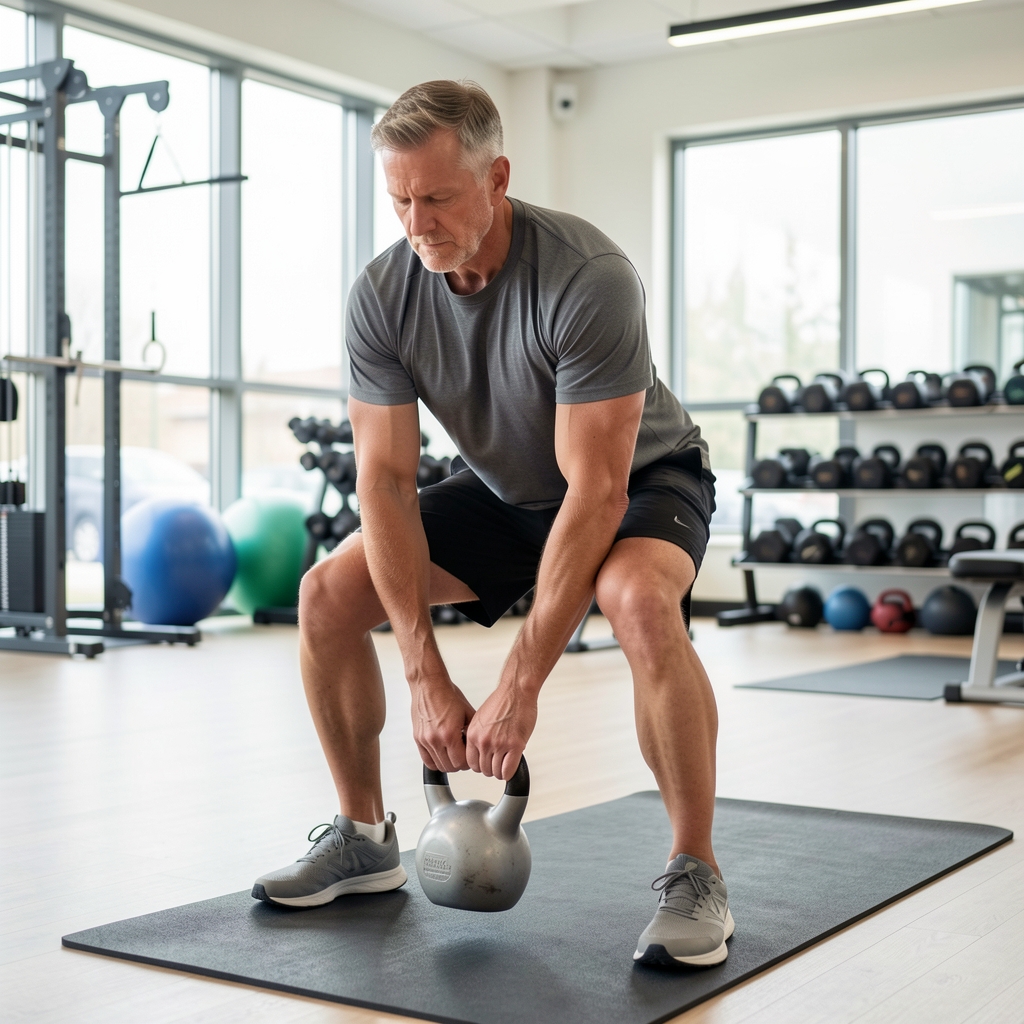
Hinge and lift
The hinge develops awareness of how the hips, trunk, and feet cooperate during a lift. Begin with a range that permits steady breathing and a quiet, controlled return.
A closer look at progressive loading, exercise selection, and the value of finishing a session able to recover from it.
A durable program is measured by what it makes possible next.
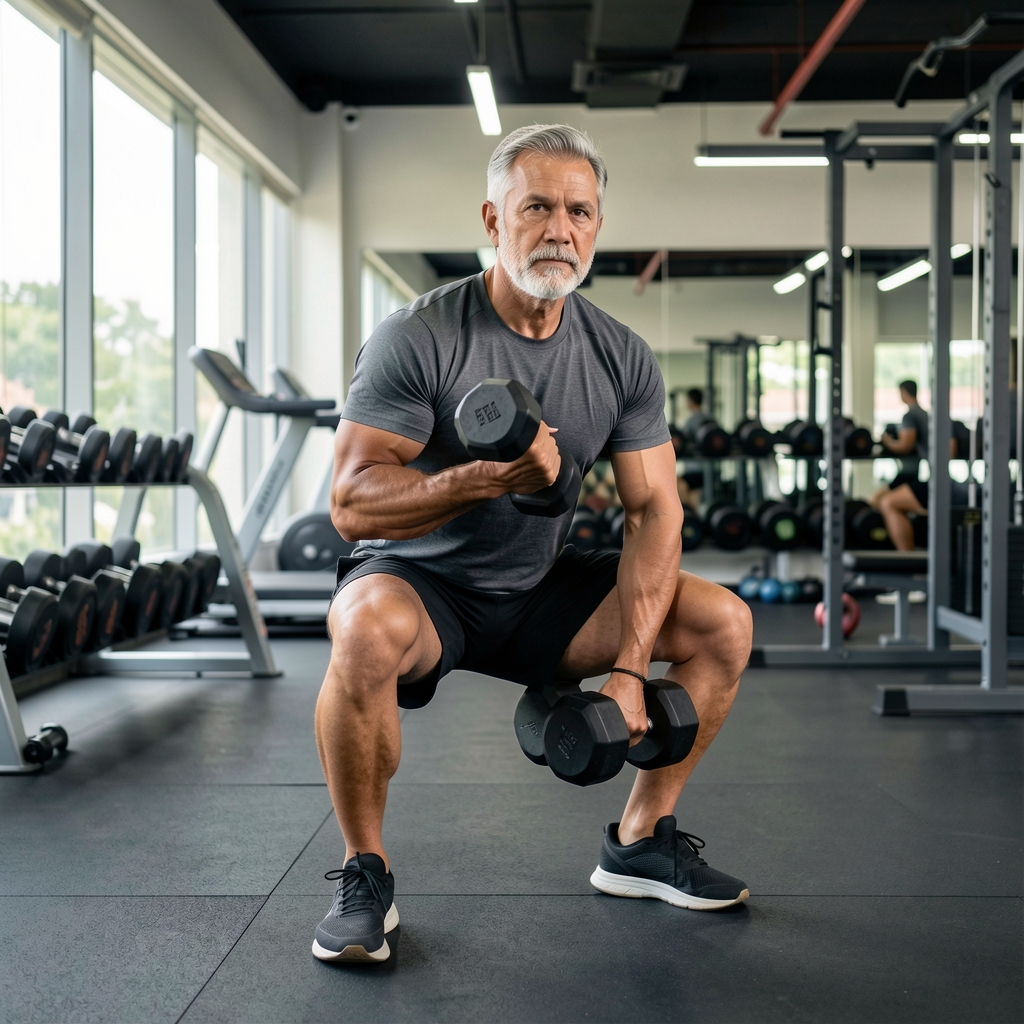
Strength training after 35 benefits from ambition paired with a clear sense of cost. Muscles, connective tissue, sleep, and work stress all influence how much load can be productively managed.
Additional repetitions, steadier tempo, a larger range, and improved technique can all represent progression. This wider definition creates more ways to move forward when adding load would be premature.
Squatting, hinging, pushing, pulling, carrying, and rotating are broad categories rather than a fixed list of exercises. Choose variations that match equipment, comfort, and current skill.
Finishing every set at the edge of technical failure is not required for meaningful adaptation. A margin allows technique to remain legible and makes it easier to place strength beside endurance and mobility work.
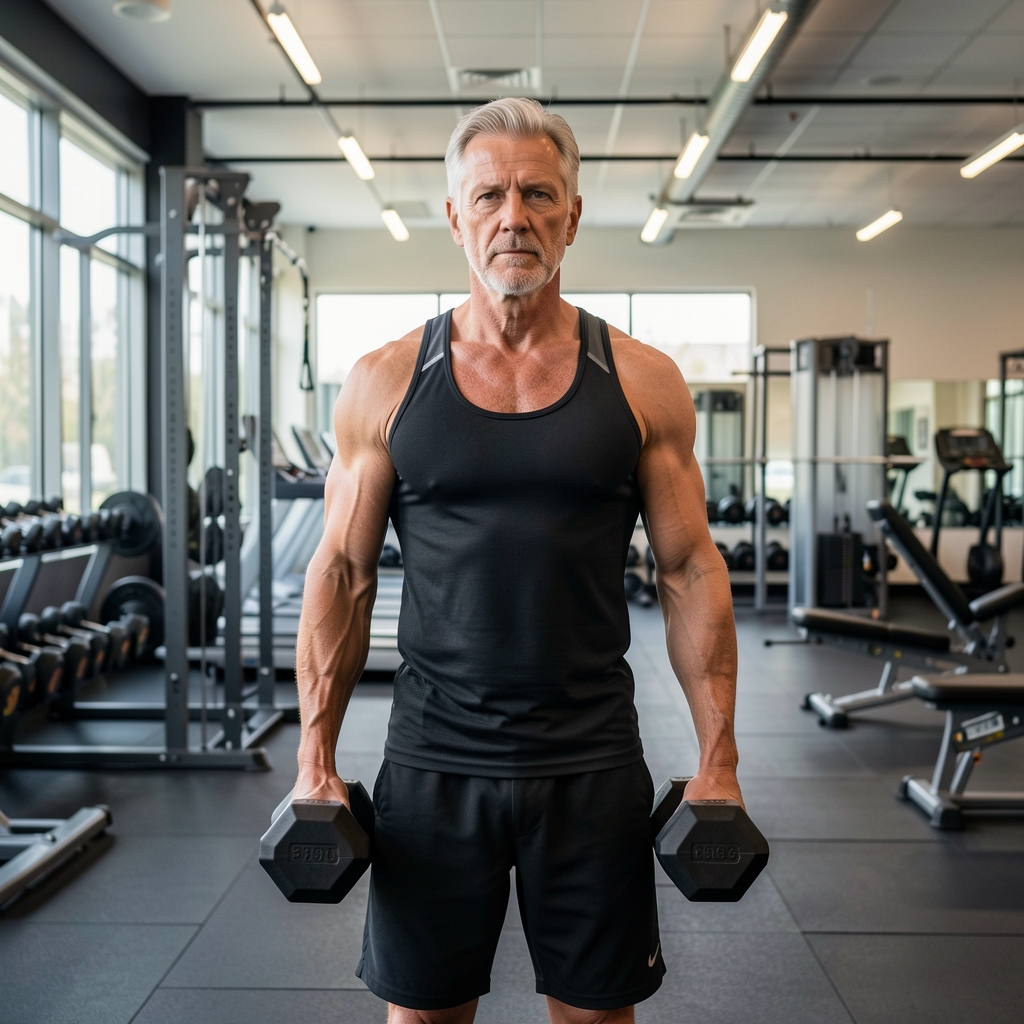
Strength training for men over 35 can be discussed without reducing it to a contest or a single number. The useful starting point is the relationship between a movement, an appropriate load, the available range, and the quality that can be repeated. A session may use dumbbells, cables, machines, bodyweight, or simple household objects, depending on the setting. The choice of equipment matters less than control, clear progression, and enough recovery to approach the next session with attention.
Functional strength is often described through the tasks it supports: lifting, carrying, rising, reaching, rotating, and stabilising. That description keeps the conversation connected to life outside a gym. It also makes room for different bodies and experience levels. A reader who is returning to training may need a slower tempo and a smaller range than someone with years of practice, while both can work on technique and consistency.
The hinge develops awareness of how the hips, trunk, and feet cooperate during a lift. Begin with a range that permits steady breathing and a quiet, controlled return.
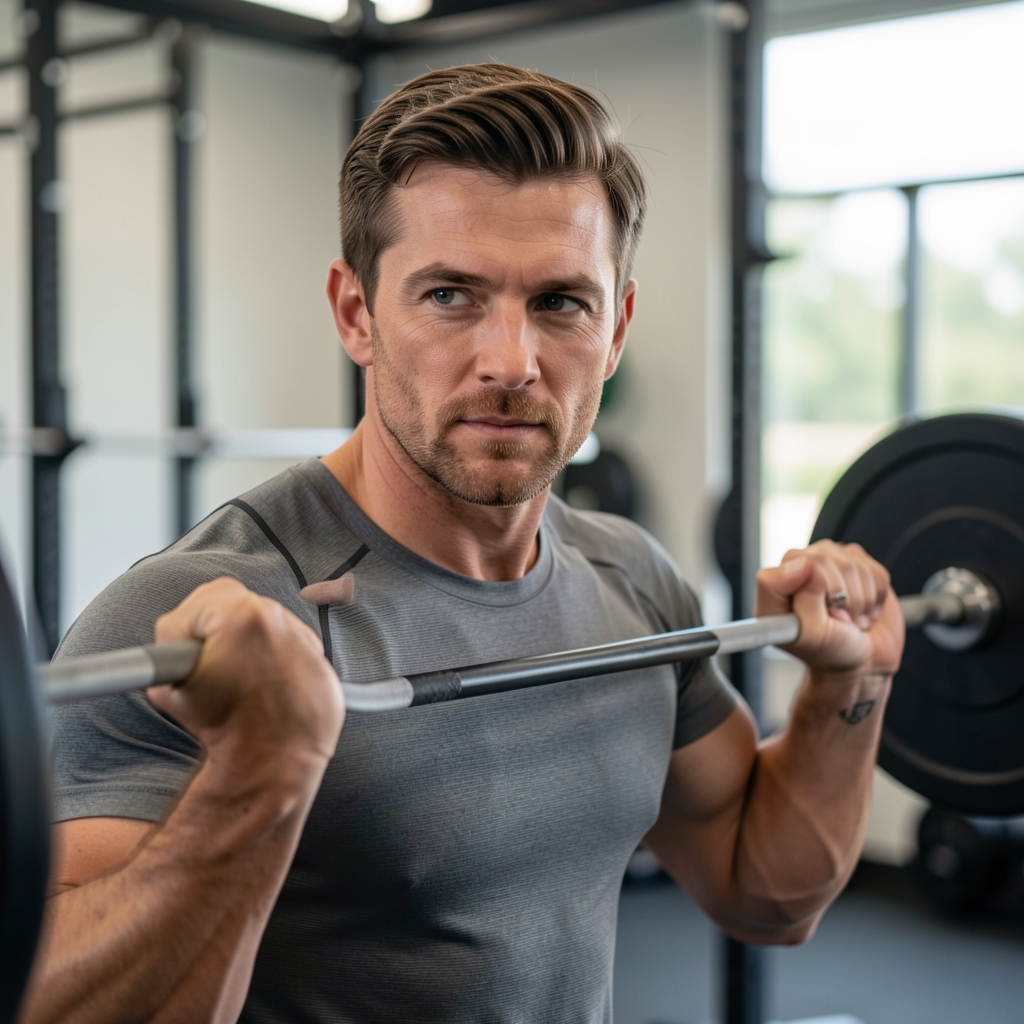
A carry connects grip, posture, walking, and attention. Distance, load, and speed can each be adjusted independently so the session remains easy to understand.
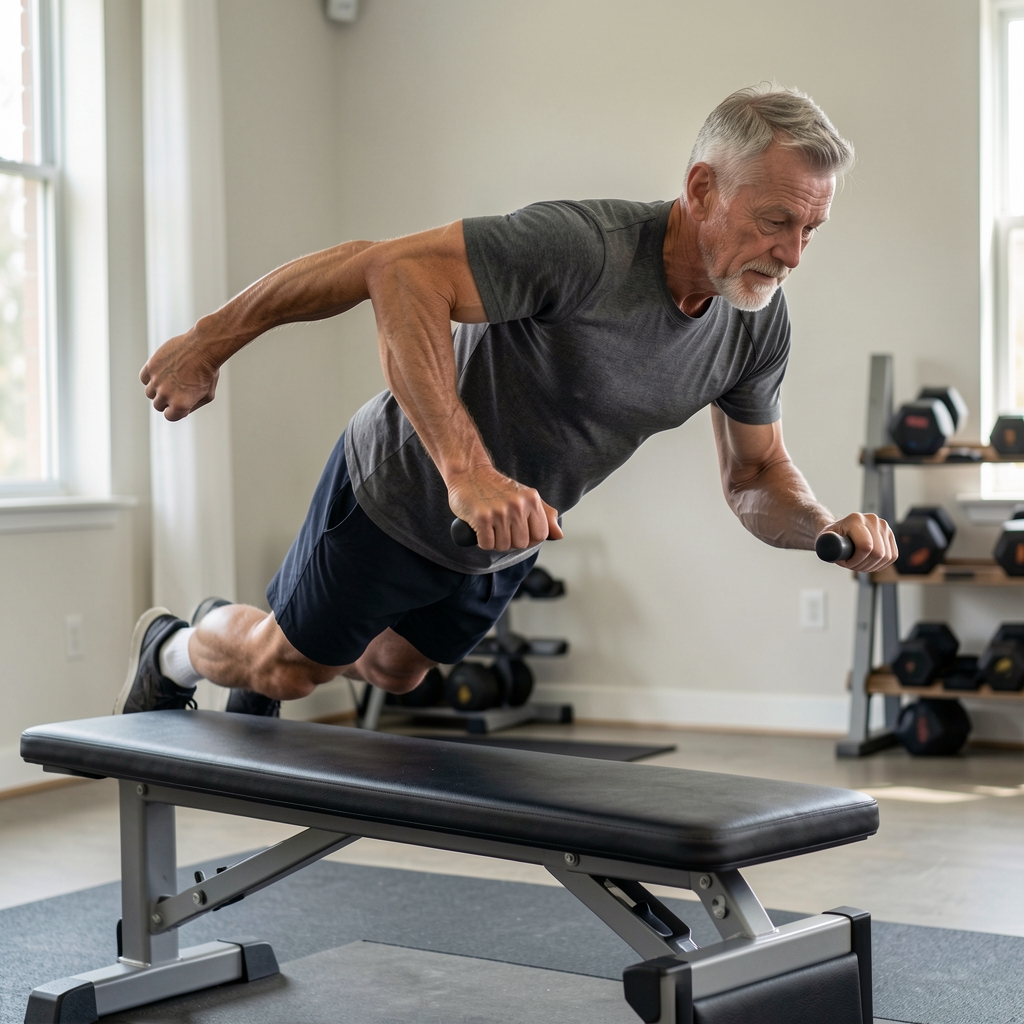
An elevated push gives the reader a way to alter difficulty while keeping the movement visible. The aim is a stable repetition, not a dramatic test.
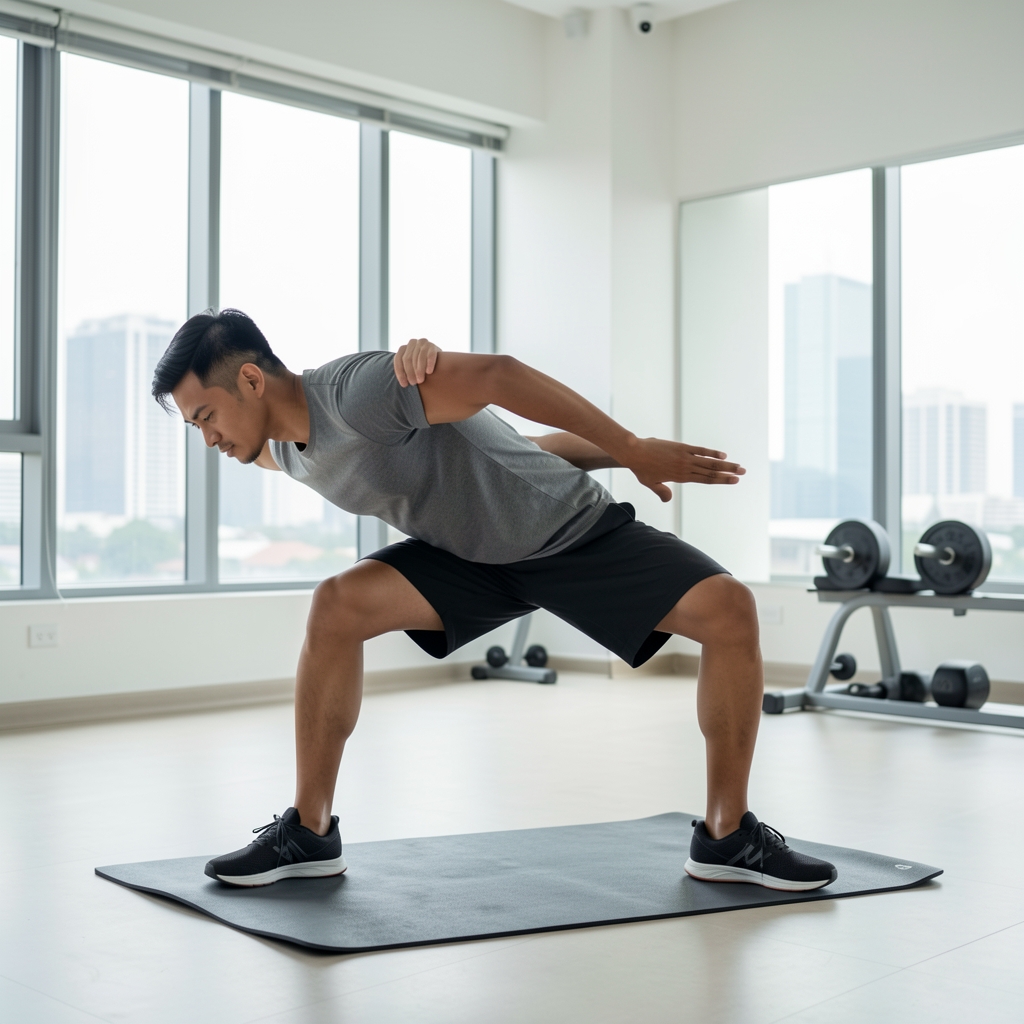
Progression can mean adding a small amount of load, completing one more controlled repetition, improving range, slowing the lowering phase, or making the same session more consistent. Only one variable needs to change at a time. This makes it easier to understand what influenced the experience and reduces the temptation to make several large changes together.
For readers managing busy work weeks, a useful plan may include two full-body sessions with a walk or easy movement between them. The exact schedule is less important than the ability to repeat it and review how the body responds. A training log can include exercise, sets, repetitions, perceived effort, and a short note about technique.
| If the priority is | Consider | Observe |
|---|---|---|
| Movement confidence | Lower load and slower tempo | Stable positions and even breathing |
| Limited time | Two or three whole-body patterns | Whether the session can be repeated next week |
| More challenge | One modest progression variable | Technique under the new demand |
| Recovery awareness | Longer rests and fewer total sets | Quality of the final repetition |
“Strength becomes useful when the method leaves enough attention for the movement itself.”
For editorial questions, contact Prylan at Jalan Sudirman No. 23, Karet Semanggi, Jakarta Selatan, DKI Jakarta 12922, Indonesia, or +62 21 784 5932.